
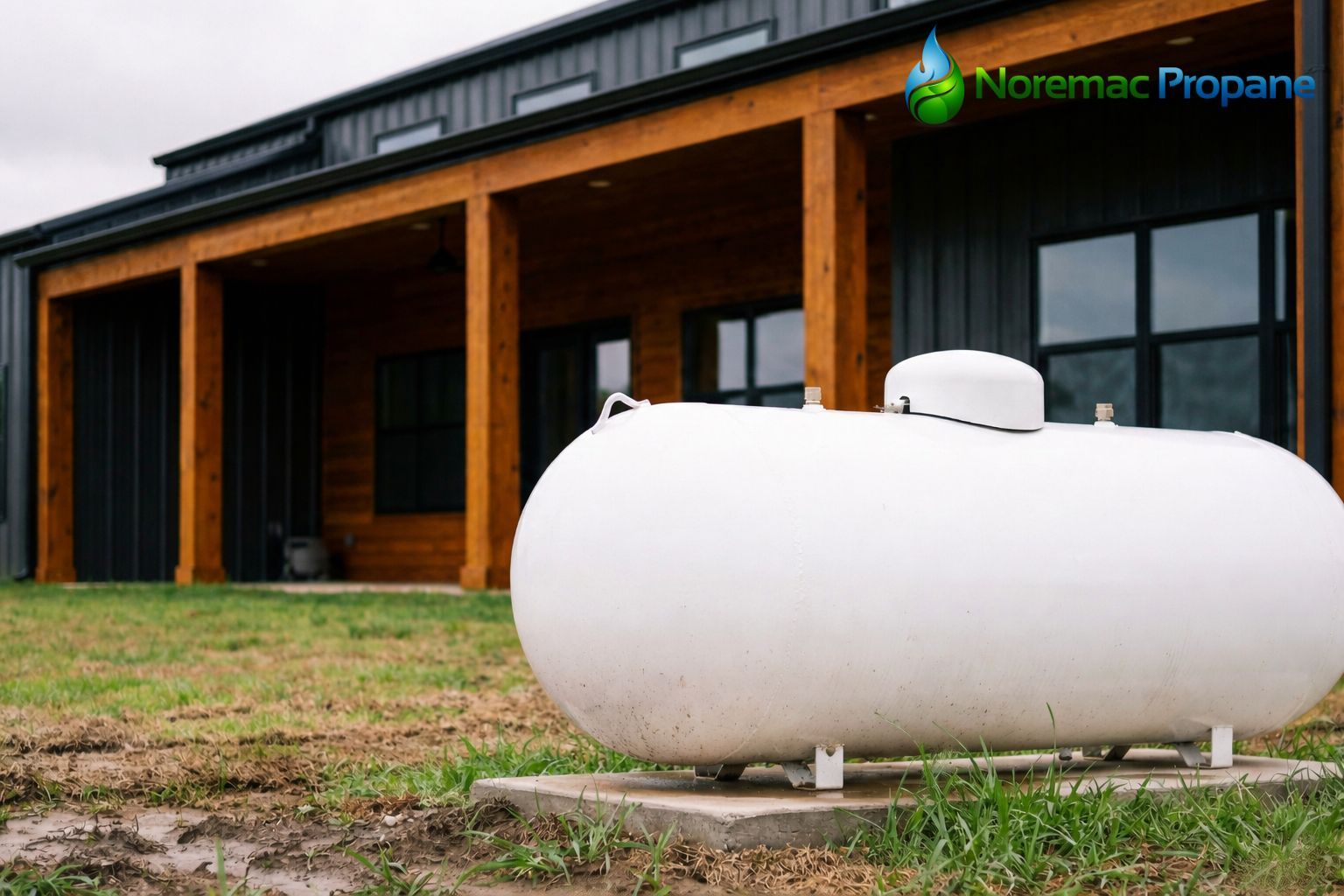
Spring Maintenance: Is Your Propane Tank Ready for the Texas Heat?
When did you last take a close look at your propane tank? If you can’t remember, you’re not alone — and spring is the perfect time to change that. Before Texas heat kicks into full gear, a quick inspection can catch small issues before they become costly problems.
Spring is actually the ideal time to inspect your propane system, clear away debris, and ensure everything is operating safely before summer temperatures arrive. A quick inspection now can help prevent problems later and keep your propane appliances running efficiently.
Homeowners across Houston, Katy, Cypress, Tomball, Magnolia, Fulshear, Brookshire, and Waller rely on propane for everything from water heaters and stoves to pool heaters and backup generators. Making sure your system is ready for the months ahead helps ensure reliable energy when you need it most.
Why Spring is the Best Time for a Propane Tank Inspection in Texas
Spring acts as a transition period between heavy winter propane usage and the outdoor living season that comes with Texas summers.
During winter, propane systems often work harder powering heating systems and indoor appliances. As the weather warms, propane usage may shift toward outdoor kitchens, pool heaters, spas, and patio heaters.

Inspecting your propane tank in the spring helps you:
• Identify any wear or damage from winter weather
• Ensure your tank is ready for summer appliances
• Avoid unexpected service issues during peak demand
• Maintain safe and efficient propane usage
Taking a few minutes now to inspect your system can help prevent bigger problems later in the year.
How to Perform a Basic Visual Inspection
Homeowners can safely perform a simple visual inspection of their propane tank without touching valves or fittings.
Walk around the tank and check for:
• Rust or corrosion on the tank surface
• Physical damage to the tank or piping
• Dirt or debris around the base of the tank
• Loose-looking connections
Rust may appear harmless, but it can sometimes interfere with the chemical odor added to propane to help detect leaks, which is why routine inspections are recommended by organizations like the Propane Education & Research Council (PERC).
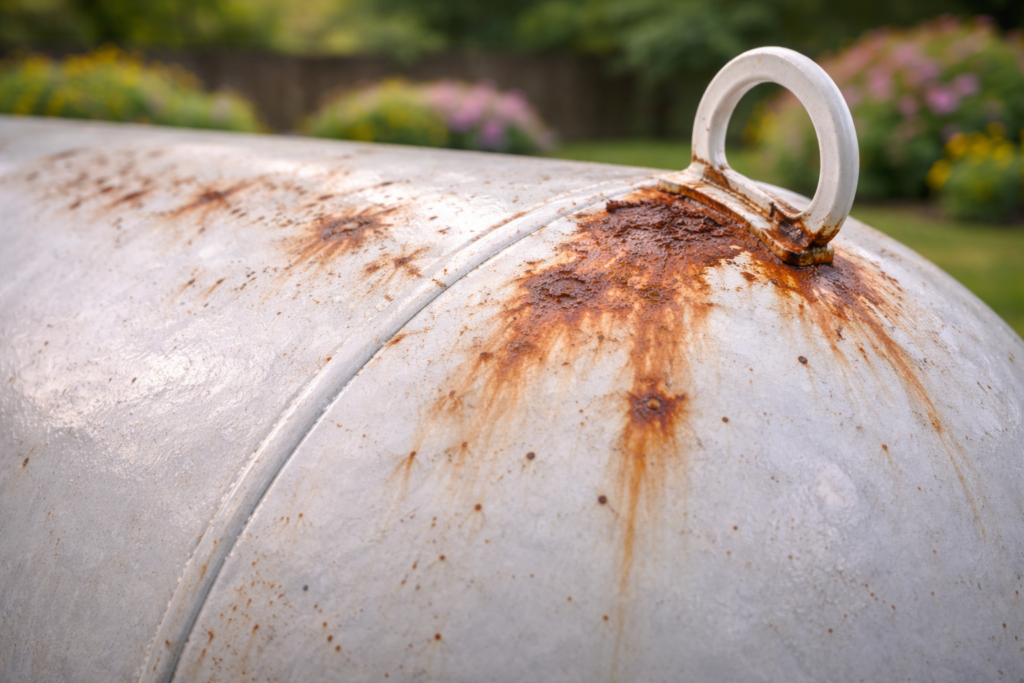
If you notice anything unusual, it is best to contact a propane professional for a closer inspection.
Keep the Area Around Your Tank Clear
Spring growth in Texas can happen quickly. Tall grass, weeds, and debris can easily build up around propane tanks if the area is not maintained.
To maintain safe conditions, homeowners should keep the area around their propane tank clear.
We recommend maintaining approximately a 10-foot clearance zone around your propane tank.
Keeping the area clear helps with:
Fire Safety
Propane vapor is heavier than air and may settle in low areas if a leak occurs. Removing brush, tall grass, and debris reduces potential fire hazards.
Delivery Access
Clear access allows propane delivery technicians to safely reach your tank when performing refills or inspections.
Regular yard maintenance around the tank helps ensure safe operation year-round.
Check Your Propane Tank Gauge Regularly
One of the easiest habits propane users can develop is regularly checking the tank gauge.
Most residential propane tanks include a gauge that displays the percentage of fuel remaining.
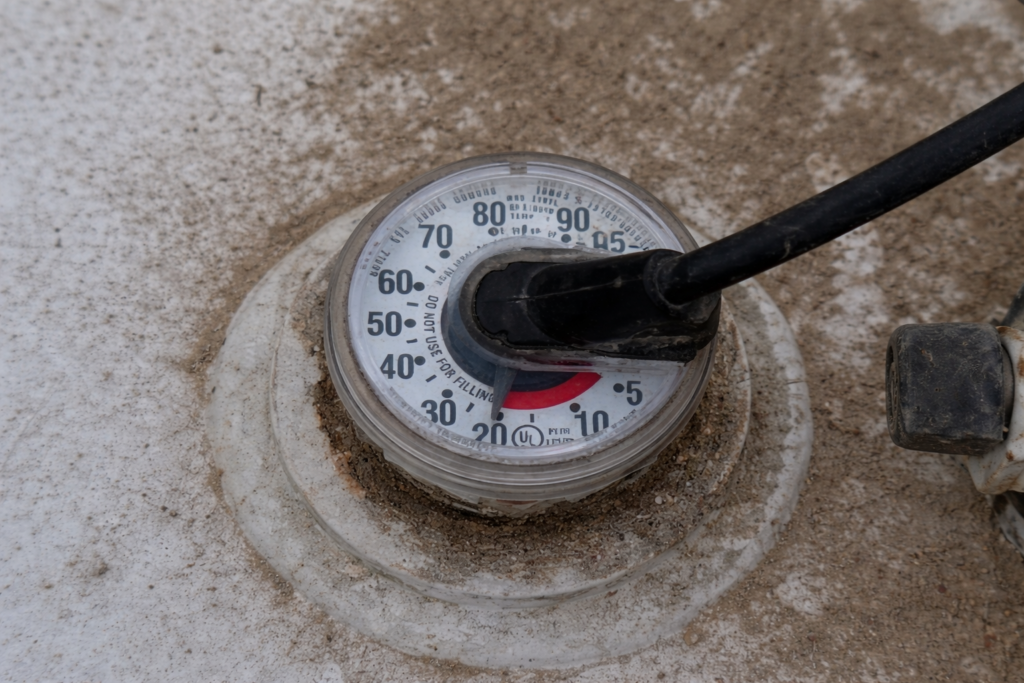
Homeowners should schedule a propane refill when the gauge reaches 20% to 30% capacity.
Allowing a propane tank to run completely empty can create safety concerns because air and moisture may enter the system. When a tank runs empty, a professional safety inspection is required before the system can be refilled.
Checking your gauge periodically helps prevent unexpected run-outs and keeps appliances operating smoothly.
Signs You Should Schedule a Propane Inspection
While visual checks are helpful, certain signs indicate it may be time to schedule a professional propane inspection.
You should consider an inspection if:
• Your propane tank gauge is below 30%
• You notice rust or visible damage on the tank
• You smell propane near the tank or appliances
• Your propane system has not been inspected in over a year
• Your propane tank recently ran empty
Addressing these issues early can help prevent larger safety concerns.
Why Professional Propane Leak Checks Are Important
While homeowners can perform basic visual inspections, some issues cannot be detected without professional equipment.
A small propane leak can quickly become dangerous if it goes unnoticed. Professional technicians use specialized tools to test connections, inspect valves, and confirm that the entire propane system is operating safely.
At Noremac Propane, we offer professional propane safety leak checks designed to give homeowners peace of mind and ensure their propane system is operating properly.
During a professional inspection, technicians will:
• Test propane lines and connections
• Check system pressure
• Inspect valves and fittings
• Confirm the propane system is sealed and operating safely
If it has been a while since your last inspection, spring is an excellent time to schedule a propane safety check.
📞 (346) 410-5698
🌐 NoremacPropane.com
Preparing Your Home for Summer Propane Use
In Texas, propane is used for far more than heating. Many homeowners rely on propane appliances to enhance outdoor living during the summer months.
Common propane-powered appliances include:
• Pool and spa heaters
• Outdoor kitchens and grills
• Patio heaters
• Tankless water heaters
• Backup generators
Propane appliances are valued for their efficiency and reliability. Many homeowners also appreciate having propane as a backup energy source during hurricane season or power outages.
Ensuring your propane system is properly maintained allows these appliances to perform safely and efficiently throughout the summer.
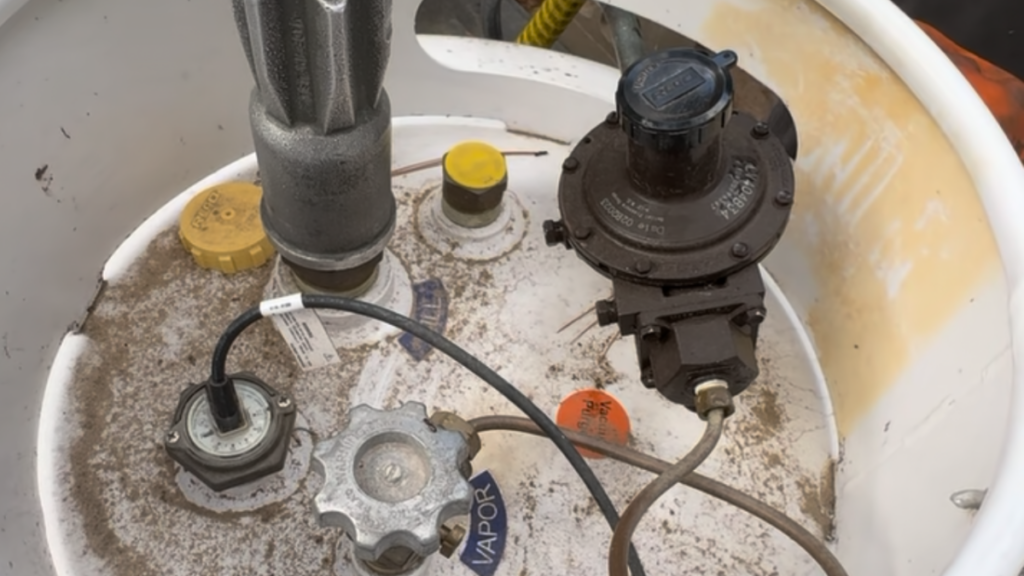
If your system needs an upgrade or inspection, our team provides professional propane services throughout the Greater Houston area, including tank installation, propane delivery, and safety inspections.
Trust the Local Experts at Noremac Propane
Noremac Propane was built on a simple idea: Houston-area homeowners deserve a propane provider they can actually count on. Since 2009, Noremac Propane has been that provider — offering dependable delivery, honest service and the kind of local knowledge that only comes from being part of this community for over 15 years.
From Katy and Cypress to Tomball, Magnolia, Brookshire, and Waller, our team takes pride in delivering reliable propane delivery, tank installation, and safety inspections with a focus on customer care.
Spring is our busiest inspection season — and for good reason. Don’t wait until summer demand peaks to find out your system needs attention. Schedule your spring propane tank inspection with Noremac Propane today — before your neighbors do.
Contact Noremac Propane today to ensure your system is ready for the Texas heat.
📞 (346) 410-5698
🌐 NoremacPropane.com
Frequently Asked Questions
A professional propane system inspection is recommended at least once per year. Many homeowners schedule a spring propane tank inspection to prepare their system for increased summer appliance usage.
Yes, but it is important to keep the area around the tank clear of tall grass and debris. Maintaining open space around the tank improves safety and accessibility.
Plants, shrubs, and trees should generally be kept about 10 feet away from propane tanks to ensure proper access and reduce potential safety risks.
Propane has a chemical added that produces a strong “rotten egg” smell to help detect leaks. If you smell this odor or suspect a leak, leave the area and contact your propane provider immediately.
Homeowners should schedule a refill when their propane tank gauge reaches around 20% to 30% capacity to avoid running out of fuel.